Revolutionize Your Room: Premium TV Wall Mounting Specialists for the Ideal Home Theater Experience
Skilled TV wall mounting specialists can markedly enhance the home cinema experience. By ensuring ideal viewing angles and reducing clutter, these services bring both functionality and style to any space. Professional installation further eliminates typical concerns including glare and neck fatigue. Recognizing the complexities of this process is fundamental. What aspects should homeowners evaluate before transitioning to a wall-mounted configuration? The answers may reshape your entire viewing experience.
Why Should You Consider Professional TV Wall Mounting?
Expert TV wall mounting provides a wide range of benefits that boost both usability and overall appearance. First and foremost, it frees up valuable floor space, resulting in a neater, more streamlined environment. By positioning the television at a higher level, it minimizes the chance of accidental damage and tucks cables safely away, improving overall safety, particularly in households with young children and pets. Additionally, a TV that has been expertly mounted offers the best viewing angles, minimizing glare and enhancing the overall viewing experience.
Moreover, accurate installation assures that the TV is securely anchored, lowering the probability of tipping or damage. Expert services frequently offer wire organization systems, which conceal unsightly wires, contributing to a sleek appearance. Moreover, expert installers can assess wall types and determine the proper mounting components, assuring compatibility and stability. All things considered, professional TV wall mounting not only elevates the aesthetic appeal of a room but also notably advances the usability and functionality of television viewing.
Why Wall-Mounting Your TV Transforms Your Home Cinema
A mounted TV greatly enhances the home viewing experience by delivering perfect viewing angles, creating superior sightlines from various seating positions. This configuration not only optimizes space by doing away with cumbersome furniture but also promotes a neater, more attractive design. In the end, a wall-mounted TV creates a more immersive and organized environment for watching movies and TV shows.
Superior Viewing Angles
Installing a mounted TV not only elevates its position but also greatly optimizes viewing angles, revolutionizing the home theater experience. By placing the display at eye level, viewers can enjoy a more immersive viewing experience, eliminating neck fatigue and enhancing relaxation. This careful installation eliminates distracting reflections from windows and lighting, delivering consistently clear pictures throughout the day. Additionally, mounted screens can be tilted to cater to different seating layouts, ensuring every person in the space benefits from perfect picture clarity. This adaptability is highly valuable for bigger rooms with varying seating arrangements. Ultimately, the enhanced viewing angles provided by a mounted TV establish a more comfortable and immersive setting for film evenings and extended viewing sessions.
Space Efficiency Benefits
Transforming a room is achieved through a wall-fixed television, which considerably enhances the space within any home theater arrangement. By removing oversized furniture and freeing up floor space, a TV secured to the wall facilitates a smarter approach to space management. This arrangement not only enhances movement within the room but also enables improved seating configurations, making it simpler to establish a comfortable viewing atmosphere. Additionally, wall mounting minimizes cable clutter, promoting a more organized look. This streamlined approach encourages creative layouts, enabling homeowners to utilize their space more effectively. Overall, a television mounted on the wall is a versatile option that elevates the functionality of a home cinema, guaranteeing a balance of practicality and comfort during viewing.
Aesthetically Pleasing Design
Enhancing the aesthetic quality of a home cinema, a wall-mounted TV establishes a sleek and modern focal point in any room. This setup eliminates the clutter of bulky furniture, allowing for a more spacious and welcoming atmosphere. By positioning the TV at eye level, viewers can enjoy an enhanced cinematic experience while preserving a refined visual appeal. The smooth incorporation of a mounted TV into the wall design continues to improve the overall decor, creating a distinguished environment. Additionally, this setup allows for creative opportunities, such as adding decorative shelving or art pieces around the TV. Ultimately, a wall-mounted TV redefines a room, combining utility with a stylish design that suits any home theater setting.
How to Choose the Best Spot for Your TV
Where should one consider placing their TV for ideal viewing? The best location copyrights on several key factors, including room layout, seating arrangement, and lighting conditions. Choosing a wall that reduces glare from natural and artificial light sources is key to an enjoyable viewing experience. Mounting the TV at eye level while seated improves the viewing angle and helps prevent neck discomfort.
Furthermore, the distance from the viewing area plays an important part; the suggested distance commonly extends from 1.5 to 2.5 times the diagonal measurement of the screen. This ensures that individuals can take in the image quality without putting stress on their eyes.
Evaluate the space's main focus; the TV should enhance the room rather than dominate it. Finally, ease of cable management and potential upgrades should also factor into the choice. By evaluating these factors, one can identify a spot that maximizes both decorative value and usability, delivering an inviting home cinema atmosphere.
What Tools Are Required for Wall Mounting?
To successfully mount a TV on important guide the wall, using the appropriate tools is necessary. A stud finder is essential for identifying wall studs, guaranteeing a secure mount. A level makes certain that the TV hangs straight, while a measuring tape assists with accurate positioning. A power drill is needed for drilling pilot holes, and wall mount-compatible screws should be readily available. Additionally, a socket or wrench may be needed for tightening bolts.
Protective goggles are important for eye safety during installation, and a screwdriver is necessary for properly securing all components. For larger TVs, a second person can assist with handling and positioning. Furthermore, cable organization tools, including clips or ties, ensure a neat and tidy finish. Having these tools on hand makes the mounting process smoother, ultimately delivering the perfect viewing experience.
Common Installation Mistakes to Avoid
Hanging a TV can rapidly become a challenging task if typical mistakes go unnoticed. Numerous homeowners fail to confirm wall stud positions, resulting in insufficient support and possible damage. Not selecting the appropriate mounting bracket can cause instability, threatening the overall safety of the TV. Moreover, ignoring proper cable management commonly creates a cluttered arrangement, taking away from the overall visual appeal.
Another common mistake is improper height positioning; installing it too high or too low can undermine viewing comfort. Disregarding the manufacturer's instructions during installation can also present risks, as different models may carry unique specifications. Additionally, failing to verify the level before fastening the mount can lead to an uneven display. By sidestepping these common errors, individuals can secure a smoother installation process and elevate their home cinema experience.
How to Enhance Your Audio-Visual Setup for the Optimal Experience
To optimize the home theater environment, thorough evaluation of factors such as optimal viewing distance, speaker positioning, and proper cable management is essential. Properly positioning the display and sound system can significantly affect sound and picture quality. Moreover, well-managed cables add not only to aesthetics but also to operational efficiency.
Ideal Viewing Distance
How does one determine the ideal viewing distance for a television? This measurement is mainly determined by the screen size and resolution. For standard HD televisions, a common guideline is to position yourself around one and a half to two and a half times the diagonal screen size back. For 4K Ultra HD models, the recommended distance decreases to around one to one and a half times the diagonal screen measurement, letting viewers take in superior detail without causing eye strain. Moreover, elements including personal preferences, seating height, and room layout are crucial in determining the optimal distance. At its core, an exceptional viewing experience demands careful consideration of these aspects to provide both comfort and sharp visual quality, allowing for an immersive home cinema atmosphere.
Surround Speaker Placement
Accomplishing an immersive audio experience often copyrights on the strategic placement of surround sound speakers. In an ideal setup, the front speakers should be positioned at ear level, flanking the television to create a harmonious sound stage. The center speaker should be squarely beneath or above the screen, guaranteeing dialogue clarity. Rear speakers can be mounted slightly above ear level, positioned about 2 feet behind the listening area to increase depth. Subwoofers should be placed in corners or along walls to maximize bass response, as their placement can considerably affect sound quality. Room acoustics also have a major impact; soft furnishings can soak up sound, while hard surfaces may bounce it. Proper calibration following placement delivers a peak audio experience, enhancing the home cinema environment.
Cable Organization Solutions
A captivating audio-visual setup goes further than speaker placement; proper cable organization is essential for improving the complete configuration. Managing your cables improves the visual appeal while also minimizing potential hazards and wear. Utilizing cable conduits, raceways, or wall plates can conceal unsightly wires, creating a clean and streamlined look. Additionally, employing cable ties or clips can keep cords neatly bundled and eliminates knotting. For those seeking a more integrated solution, wireless solutions can help remove the clutter of cables. At its core, an efficiently managed wiring system supports a smooth and pleasurable entertainment experience, enabling viewers to concentrate on the media without interference from disorganized cords. Emphasizing effective wire management can greatly elevate the overall home entertainment setting.
Upkeep Tips for Your Wall-Mounted Television Installation
Routine upkeep of a wall-mounted television installation is crucial for achieving peak performance and longevity. To begin, clean the screen and nearby surfaces on a consistent basis to stop debris from collecting, which can compromise image clarity and airflow. Use a microfiber cloth and avoid harsh chemicals that may deteriorate the display surface.
Next, inspect the hardware fittings regularly to confirm every screw and bracket is properly fastened. Unstable fittings can lead to instability and potential damage.
Furthermore, inspect cables for wear or fraying, replacing any that show signs of damage. This helps preserve functionality while also boosting safety.
Lastly, think about recalibrating the TV settings periodically to improve sound and picture performance as technology and viewing preferences evolve. Through the use of these care guidelines, residents can enjoy a seamless and visually impressive home cinema experience for years to come.
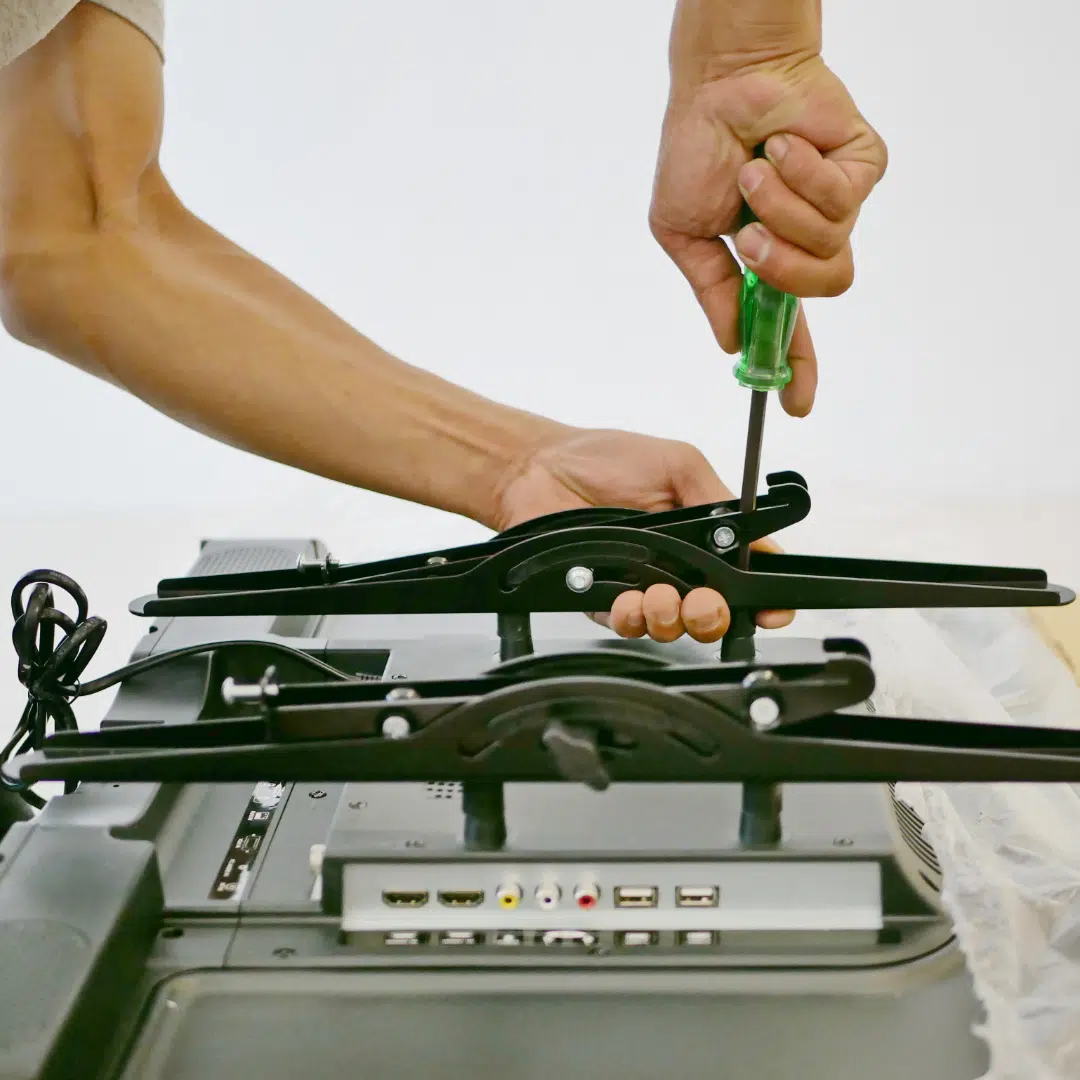
Questions Our Clients Often Ask
How Long Does a Professional TV Wall Mounting Service Typically Take?
A professional TV wall mounting service generally takes anywhere from one to two hours, based on factors such as the wall type, complexity of installation, and extra features. Each installation is unique, influencing the total duration required to complete the installation properly.
Is It Possible to Mount a TV on a Brick or Concrete Wall?
Certainly, a TV may be secured on a brick, concrete, wall. Using the correct tools and anchors is critical for safe installation, making sure the television is securely supported and placed for ideal viewing experiences.
What Weight Limits Should I Consider for Wall Mounts?
When choosing wall mounts, one should consider the manufacturer's indicated weight limits, usually falling between 50 to 150 pounds, according to the model selected. Furthermore, the wall structure's integrity affects the overall support and safety.
Is It Safe to Mount a TV Above a Fireplace?
Positioning a TV over a fireplace can be safe, as long as the smoke and heat do not harm the unit. Correct installation, suitable mount choice, and thermal protection are essential factors to take into account for optimal safety.
Is a Nearby Power Outlet Necessary for the Mounting Location?
A nearby power socket at the mounting spot is essential for safely and conveniently connecting the television. This prevents unsightly extension cords and ensures the unit runs efficiently, while also meeting established electrical safety standards.